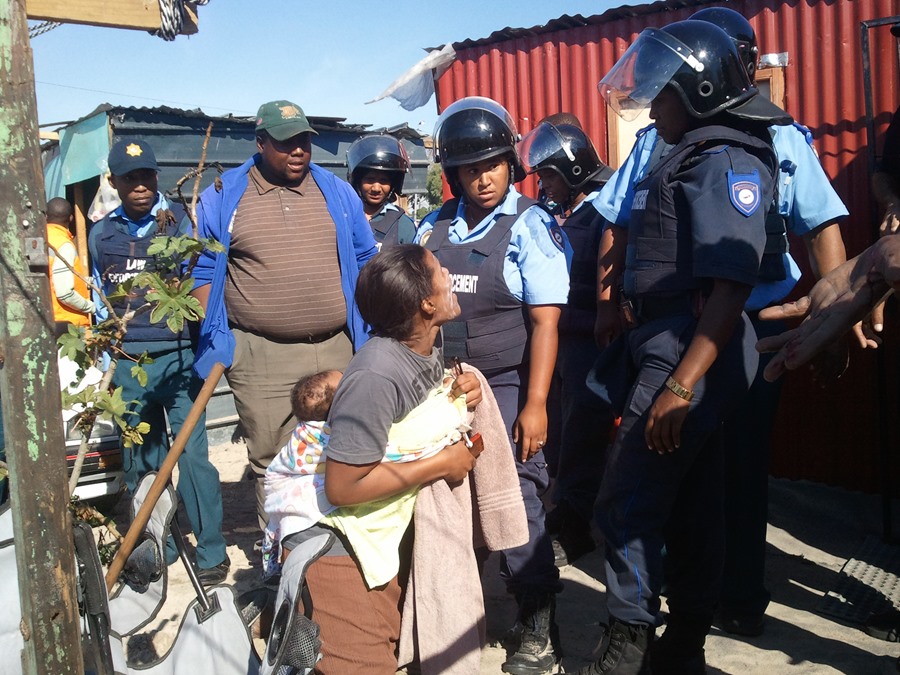
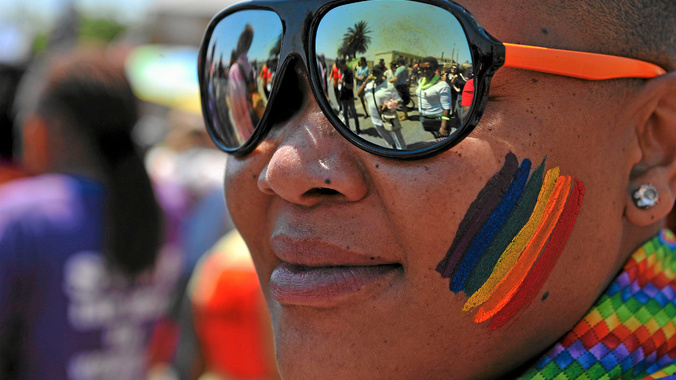
The first Johannesburg People’s Pride march took place on October 5 at Constitution Hill and the political nature of the event was clearly evident. Protest songs filled the air. People’s Pride linked many struggles to those for lesbian, gay, bisexual, transgender and intersex (LGBTI) rights – housing and other socioeconomic rights, and access to water and food.
Living on Less than R1000 a Month: How Poor South Africans Survive
By Frank Meintjies
Where is poverty located? What are its shapes and forms? What strategies do households use to cope?
Waiting to inhale – The struggle for clean air and adequate housing in Wentworth.
It’s a blistering hot afternoon when we arrive at the Barracks. This regimentally built cluster of council houses was erected as a transit camp in Wentworth in 1972.
Why the South African Youth Are Not Voting.
By Luthando Vikilahle:
Mainstream political parties do not speak to the needs and struggles of young people. However the much bigger elephant in the room is the depoliticisation of the South African youth since 1994.
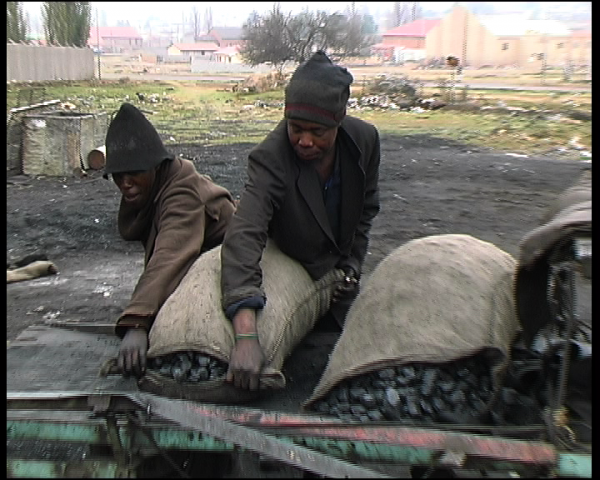
The terminal nature of poverty
By Gillian Schutte & Sipho Singiswa:
Photo: Jared Sacks
As academics, journalists, social commentators and activists we have a sense that we know the poor. We are outraged by poverty and inequality and advocate for equity and a life of dignity for all. We look for ways to bring the voices of the poor into the public debate and ask questions around how we can get democracy to work for the poor. But few of us have even an inkling of the full spectrum of what it means to be poor.
Failing to Feed Our People: South Africa’s Lacklustre Food Security Policy
By Glenn Ashton
We are what we eat and on the whole South Africans are unhealthy. Because of our increasingly industrialised food chain we eat far too much refined, processed food. The poor are exceptionally exposed to this pernicious trend, with the cheapest maize meal consisting disproportionately of husks, which provide very little nutritional benefit. In some cases diets consist of more than 90% of maize meal.
Deconstructing the Baby-Rape Narrative.
To anyone researching the horrific occurrence of baby rape worldwide it is very clear that it is not a racialised or a cultural phenomenon, says Gillian Schutte.
Does the Media Desensitise us to the Suffering of the Poor?
By Gillian Schutte
Last week saw the memorial of the Marikana Massacre unfold on national television, namely on eNCA, which rolled out an entire day dedicated to the miners that died in the massacre.
On the surface this appeared to be a noble cause that could be celebrated as the mainstream finally seeing things from the working-class perspective.