Sunday thoughts on loving.

By Philomène Luyindula Lasoen

My first love letters were the drawings I made my dad on the loose white pages he invariably gave me as I walked into his office. I would sit quietly and contented while he worked.

When I was 7, I could write of course, but it didn’t occur to me to write to a person I could see all the time and on whose lap I could sit. At the time, I still thought that if I could call a person more than five times a day just because I liked saying their name or getting their attention, it meant that I could then tell them everything and anything. It was just a few months later that I realised I was mistaken.

I am not sure when exactly I stopped speaking the many things I meant to say but by the time I was eight, books were my safe world and the characters were people whose lives made more sense than the children and adults in my life. And I didn’t need to use my voice with them, I could watch them, be part of their world and enjoy the fact that they had no expectations of me.

I went from drawing some cockatiel-like birds to marabouts and flamingos. The detail in my pictures got neater and prettier but my knowledge of birds didn’t grow. It wasn’t nurtured in my family, and I had very little self-motivation as a child. I find that I am quite the same as an adult. I respond to love and nurturing, I thrive on it, I do wild things with it but by myself, alone, I struggle to trust that I have the brain power or stamina to follow through with the fluttering of my heart.

My drawings of birds turned into little gifts of love, attention, jokes, and active listening. I suppose my love language changed. But I still wanted to give pictures. I started writing love letters to my dad again when I moved to South Africa. In those letters I would share my true feelings about some things. Not all. At first, it was about the geography.

Shortly after I moved here, my older sister left to join her husband. I wrote to my dad that I was at the bottom of the world. Being so much south seemed that the unspoken things transformed themselves into a metric measure, they materialised into the distance between the south-east of France and my dwellings in Durban. They spelt the words: never to be bridged again.

What I shared was tales about my first real friend who loved me despite my then broken English. I spoke of her family background and was fascinated by the little I learnt about experiences of South African Indians under Apartheid. I told my father about her father’s trade and the fancy tea parties for 2 that Karen and I would have at a 5-star hotel whenever we got enough cash for cake on plates that cost a fortune. I initially wrote in detail. It was the beginning of my adult life in a foreign country. Over months and years, it didn’t seem as if I could share much anymore but there are names of friends that eventually became real people with faces to him.

It was a long time before we saw each other again. I used to travel to my mom in Congo when taking a holiday. I wrote short notes to my mom and always worried that I didn’t know how to show her love. She is far more complex than my dad and I have always liked things simple and direct, dependable, and predictable. I thought that these 4 words described my relationship with my dad well. In the past fifteen years or so I have learnt that they apply more to the one I have with my mother.

I have gone through phases when I could not say a thing to my dad. I usually indicated when this was the case with a message like this: I can’t talk but I love you. I will let you know when I can speak to you.

Long facsimile letters eventually turned into emails and short SMS with the assurance of my love but with boundaries to protect my sometimes very fragile state of mind.

I wish that in the last year of my dad’s life, I wrote him long letters again. Or that maybe I drew something for him. I wish I knew if he felt my love in spite of my long silences.

And all the time I communicated with him the least, I inked more words, typed characters aplenty, doodled in the margins of books holding some of my poems. I befriended writing for the sake of writing – the compulsion – the thing that feeds my soul. I refer to writing as my true language. And I think that writing has very often been the connector, the path through which I can reach others. It has also been the wall behind which I can hide because saying ‘I love you’ helps me bargain for time; once the message is sent, I can hold myself for a little while longer. And I suppose I did that then… I do it now.

I am jealous of people who are braver than me with their actual voice. I envy those who manage to share the painful things, the criticism, the sorrow, and the requests. Yes, let’s not forget the requests as these help make love specific, it turns love into something that can be given and received by each person in her way. I know this, I have learned it, trained in it but the courage it calls for is not yet in me.

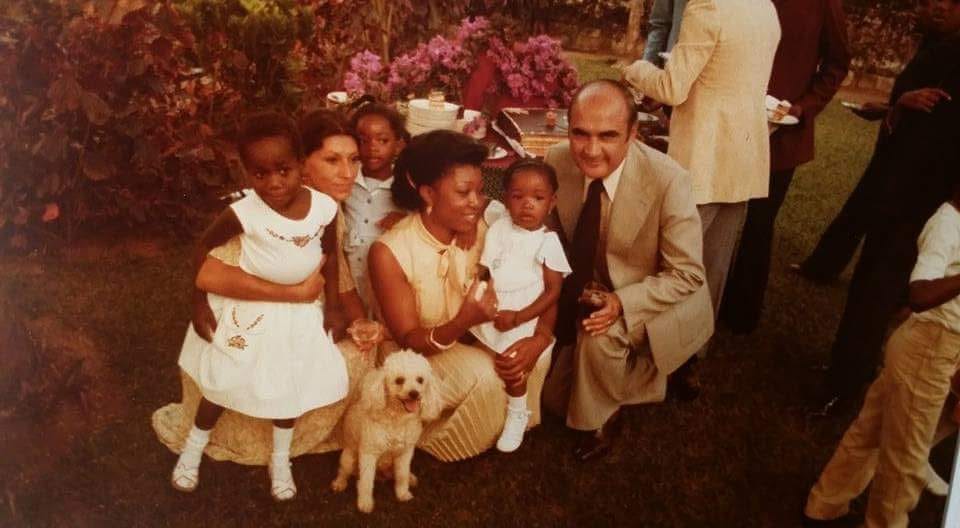
So, I am the writer of long and short words, stories, letters, … I am a person who started by loving my dad first, more than anyone else and I hope that he knew that on the day he died.

May you find ways to write love to the people you hold dear. And may your words be met with a response that fits your needs. May all the things that your heart yearns for find an echo with people, with nature, with beauty.

Phx

PS: Today is my father’s birthday. I had an Irish coffee in memory of him. I took a picture of the drink for the family. And for myself, I spent time recalling my childhood joy at being in his presence.


This image has an empty alt attribute; its file name is PHILOMENE-341928629_270207775344382_2648064023126475996_n.jpg


Philomène Luyindula Lasoen is the author of The Widening of the Womb and Other Stories. She is a Congolese woman, raised in DRC (then Zaïre, by her Belgian/French adoptive parents). She lives in Cape Town, South Africa. She has worked in the faith-based sector among children at risk and on HIV/AIDS. She is also a French Teacher, Translator and a mother. She tells tales that are deeply African, deeply spiritual and that can be experienced in various cultural contexts. 

A guide to grief: As told from the ‘inexperience’ of the living

By Alice Mbeya

As a fledgling, I had constantly been guided into knowing that there was a heaven and hell with one true God and that your place on earth and the ways you treated people would determine exactly where your eternity would be spent. As the years progressed and varied instances of inevitable and unexpected deaths came to light, my views of the afterlife faltered greatly.

Afrikin Vylits.

By: Juanita Chitepo

The rain beats purposefully down upon the tin roof. The sound is orchestral and makes it all the more difficult for me to hold in last night’s drink now terrorizing my four year old bladder. Grandpa snores gently at the far end of the gigantic bed. He is a Health Inspector and rides a motorcycle. Sometime he lets me wear his helmet and pretend to ride but no matter how hard I try to stretch my fingers across I cannot grasp both the handles and the brakes simultaneously. Granny’s chest heaves beside me under the stifling guthrie (A heavy covering made of many old blankets stitched together and covered). If I wake her now, she will be cross and grumpy. She will swear and curse under her breath so as not to wake grandpa, and pinch my arm and push me hastily down the slippery, ragged brick path to the outside shed. There I will climb up the gigantic wooden box and straddle myself across the pit-drop toilet while the paraffin lamp in her hand casts a ghostly glow over the proceedings. Tomorrow, I have been warned, THE PRISONERS are coming to fetch THE WASTE. I am to remain indoors and out of sight for the duration of this event under threat of a severe beating if I don’t. I wonder what THE PRISONERS will look like. I think of THE HOBBIAHS in the story that Ayah reads to me, with their red eyes and sharp teeth, tap tap tapping on the tin roof. I am thrilled and terrified that they are coming. I know I will creep creep creep to the curtain and squint through the tiniest gap in its togetherness tomorrow.

I squirm and try to HOLDIT. That’s what my mother always says when I need to go at a bad time. HOLDIT! I shift under the burden of blankets, careful not to tumble over the edge of the bed, and ponder the afternoon’s events.

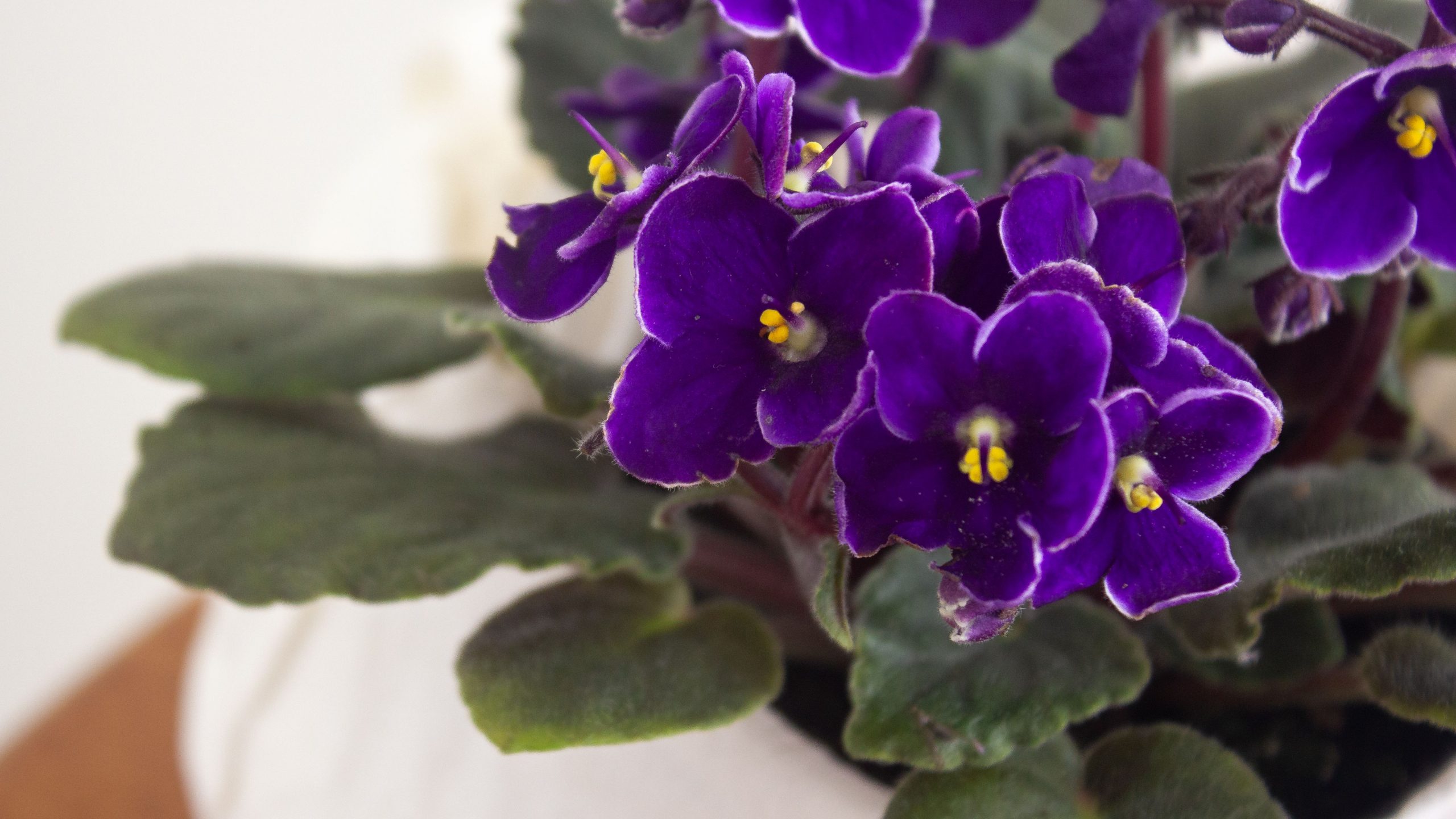
My mother has been attacked by ASMA. Ayah packs my bag and dad drives me in his Valiant along the narrow, winding, dusty sugar-cane road from Shakaskraal to Verulam where I am left with my maternal grandparents because mum has had an ASMA attack. I love driving with my dad. I like to listen to the humming of the mammoth motor car, peering at the clouds through the little square window of my made-in-china plastic camera, a little replica of my dad’s real one. It has a button that clicks and a little lever that whirrs when I turn it; just like the sound of dad’s each time he whirrs the film to take a new picture. I don’t mind being away from Mum. Even when she is not being attacked by ASMA she is in a bad mood. One time she broke plates. I think it was my fault. Grandpa says I’m a good girl but mum says I’m not. She smacks me when I pick the flowers from her garden but I can’t help it. They are so pretty and inviting, especially the little purple ones with the yellow and black tumbling all out of the middle that she keeps on special shelves in a special place on the veranda. They are AFRIKIN VYLITS. Come and look at my AFRIKIN VYLITS says mum when there are visitors and they have finished their tea. Besides there is plenty to be done at granny’s house – chickens to feed, eggs to gather, dogs to pet, cats to chase, fruit to eat. Maybe a visit to the shops would yield granny sweets; hot, sharp peppermint disks wrapped tightly together under a wrapping that said XXX. My taste buds had tingled in anticipation as I lay back and closed my eyes into the sun, colours popping and bursting in my brain. And dad driving.

The tin shack has a kitchen with an enormous primus stove, a small bedroom hardly larger than the enormous bed and a modest lounge. It nestles below road level at the bottom of a curving, sandy driveway, neighbourless and surrounded by bush and a small forest of litchi and mango trees. Behind the house a dull concrete building is divided in to a single parking garage and a large coop; beside this are scattered kennels and cages of the rescued creatures that the WHITE LADIES of the Animal Anti-cruelty League bring to Granny en route to their new and hopefully happier lives. One time there was even a goose that chased me. I’d run for my life from the creature, as it snapped and hawed at me, running and jumping and leaping, clumsy and deranged. I’d burst into the kitchen, slamming the flimsy door shut in the nick of time, it’s breath still hot on my behind. I try not to remember my fear and make another concerted effort to HOLDIT.

When the WHITE LADIES come I have to stay out of the way and be quiet. Granny takes out the special WHITE LADIES cups and saucers. Grandpa and Mum look like white people but they are not. Granny is short and round and dark. She is definitely not a white people. Ayah is a HINDOO. She has mandarin skin. She was dark like granny but wanted to be light like mum so she tried a medicine that didn’t work and now she has mandarin skin and no one will ever marry her so she has to look after me forever. She likes to sing. Sometimes when there are weddings she dresses up in a fancy sari and sings a special song. Then she doesn’t look like my ayah any more. Then she looks like a HINDOO princess, like the pictures above the brass lamp in her father’s barbershop. Mum never wears saris. Mum wears WHITE LADIES clothes. Sometimes she even wears trousers. Ayah says mum is a very special lady because she looks like a WHITE LADY. Ayah says I am very lucky that a WHITELOOKING lady like my Mum is looking after a DARKLOOKING girl like me. She says Mum and Dad broughtmefromthehospital when I was two weeks old. Ayah also says sosadshecanthaveherownchild.

Granny has saris. She has cut one of them in half for me, lengthwise, to drape around myself; the pleats stitched together, easy to wind round and round and fling over my shoulder as I sing the made up words to my HINDOO songs. Only today, though, I have been slapped for singing in my sari. For a second I forget to HOLDIT as I remember the stinging humiliation of the afternoon.

Ayah had taken me to a prayer. There had been bells and shells and lots of singing and sweet things to eat. I thought of the singing when dad had left me and driven off in a cloud of sand. I could remember some of the words. REAL WORDS! That was much better than the silly MADEUP words I would sing, to the tunes of HINDOO songs granny and grandpa listened to in the evenings on their record player that looked like a little square suitcase, while whirling and twirling in my little sari. PAR PAR ZINDAGEEEEE KAHBI KAHBI MERE SONA HE LALALA AH AH OH OH ….

HARE RAMA, HARE KRISHNA, HARE, HARE, HARE, HARE! I sang in my sari. HARE RAMA, RAMA RAMA, KRISHNA KRISHNA!!! I sang in my sari and whirled and twirled in the fading light watching and listening for the purr of grandpa’s motorcycle coming down the drive in the looming dusk. HARE RAMA HARE KRISHNA … The sudden grab of my arm, the twisting pinching flesh, the quick-fast five-fingered explosion of pain in my gums and teeth and eyes, so unexpected, sucking the sails out of my sari as granny shrieks and shrieks. DON SING THAT, DON SING THAT, WE ARE KRISTIANS WE ARE KRISTIANS. SING ANY OTHER WORDS ANY OTHER WORDS NOT THAT NOT THAT!!!!

HOLDIT HOLDIT HOLDIT HOLDIT.

The big black umbrella has kept our heads dry, but our feet and legs are wet from the rushing river of rain that races over the path to the pit. I may as well have peed in my pants I was so wet. Granny huffs and puffs under her breath, heaving and cleaving and towelling us dry before putting out the lamp and curling back under the covers. STUPIDGIRL STUPIDGIRL STUPIDGIRL.

HARE RAMA, HARE KRISHNA … I dream that I am singing in a sari. DON SING THAT, DON SING THAT, WE ARE KRISTIANS WE ARE KRISTIANS shout the WHITE LADIES. Dad is driving, mum is wearing trousers, I am a brown cloud of dust and THE PRISONERS are coming to fetch the AFRIKIN VYLITS.

 Juanita Chitepo is a Theatre practitioner, musician, educationalist and writer. National Arts Festival Fringe Productions comprise a solo performance in Masquerade of Mannequins, a play exploring Indian Female Identity in SA; Speaking Spaces/ Archaeology of an African Identity, a play about the still birth of the Rainbow Nation work-shopped with and performed by Grade 10 to 12 students from 5 PMB High Schools and SOUNDGAZE: Moving Images of Marie in Woyzeck, an Inter-medial interpretation of the original comprising a live band, an original score and photographic images. She has been published by Chimurenga Magazine and National Art Gallery of Zimbabwe.