By: Damon Leff
A recent MWEB radio advert and the response from City Press demonstrated how human rights abuses resulting from accusations of witchcraft in South Africa are dismissed in favour of profit and misleading headlines. [0]

A recent MWEB radio advert and the response from City Press demonstrated how human rights abuses resulting from accusations of witchcraft in South Africa are dismissed in favour of profit and misleading headlines. [0]
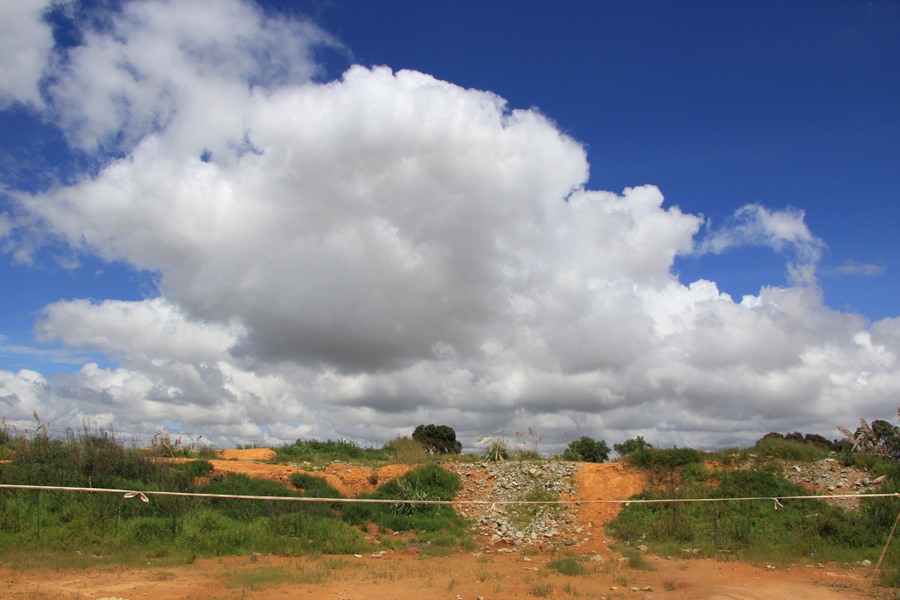
Photo by Gillian Schutte: Mintails Mine put up a flimsy tape to prevent children from playing on uranium poisoned mine dumps.
Films by Sipho Singiswa.
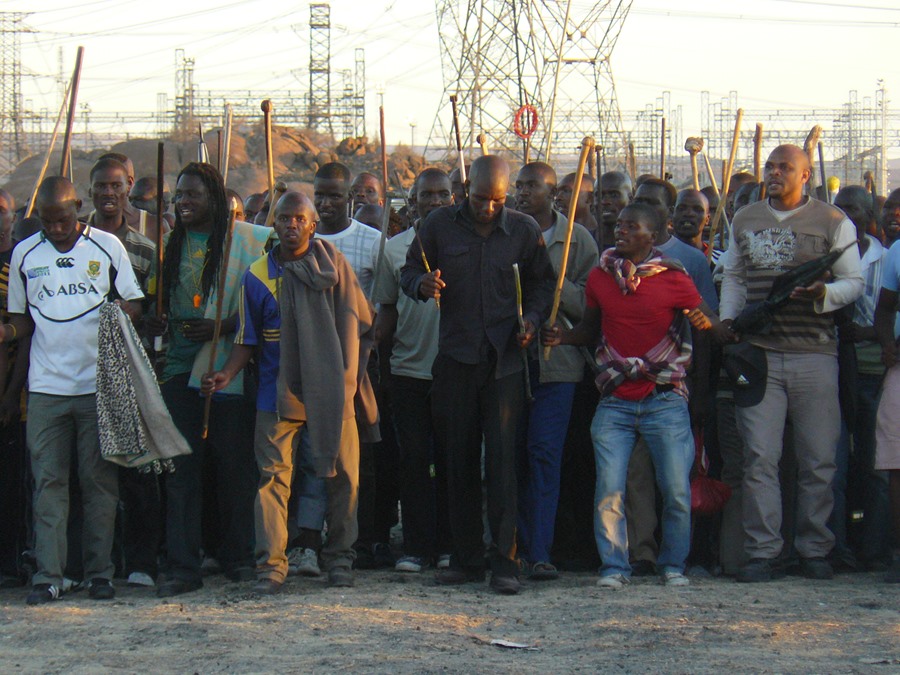
The fanfare at the beginning of a New Year is usually celebratory and full of hope. This celebration is a way for people to wipe the slate clean and begin anew.
I have to admit, when I read Mike van Graan’s article, I jumped into the list of items he mentioned. By the time I reached E, I was thoroughly confused, not by the contradictions and fallacies in Mike’s article,
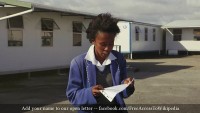
By Nduduzo Msibi:
“If a man walks a thousand miles through a desert; barefoot, without food nor water, and finally arrives at a destination where he onlyfinds one serving of toxic food and poisonous water, his struggle is admirable and must be applauded; but whether that struggle was actually worthwhile is a different yet all too important question.”
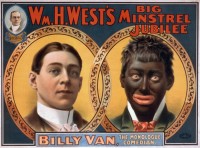
I recently visited a doctor in Milnerton. The purpose of my visit was largely to establish contact with a doctor in Cape Town, having recently moved from Johannesburg.
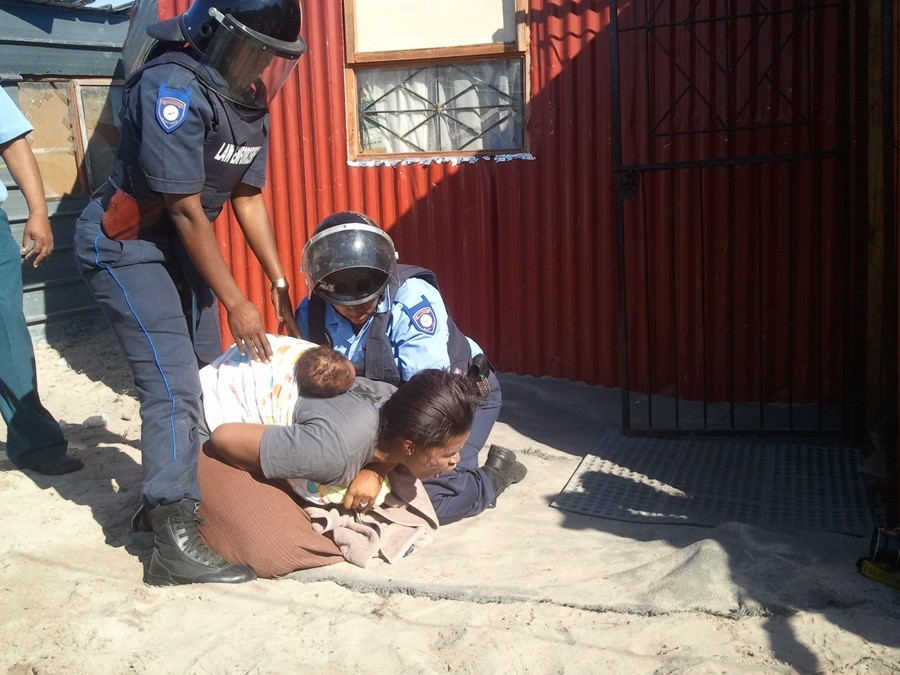
Oppression, when written about, is often reduced to one layer of suffering. Yet when one unpacks the lives and narratives of the poor it becomes clear that their struggle to survive takes place under many layers of oppression.
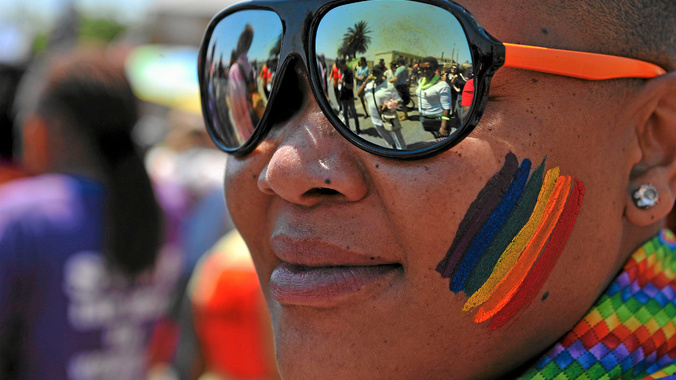
The first Johannesburg People’s Pride march took place on October 5 at Constitution Hill and the political nature of the event was clearly evident. Protest songs filled the air. People’s Pride linked many struggles to those for lesbian, gay, bisexual, transgender and intersex (LGBTI) rights – housing and other socioeconomic rights, and access to water and food.
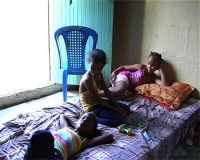
It’s a blistering hot afternoon when we arrive at the Barracks. This regimentally built cluster of council houses was erected as a transit camp in Wentworth in 1972.
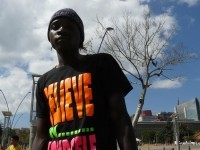
Mainstream political parties do not speak to the needs and struggles of young people. However the much bigger elephant in the room is the depoliticisation of the South African youth since 1994.